A hunting safari leaves you with a memory and an experience that stays with you forever. It might be the first time that you hear the deep bass tones of a lion roar in the distance during the night, or how the cool morning air feels on your skin just before the sunrise when the bush begins to awaken. For most hunters, a safari is enough to change how they look at the rest of their hunting career. Everything else starts to have the feel of inadequacy.
This guide is meant to give you a clear, practical picture of what hunting safaris actually involve. We will cover the varied types of hunts available, the best areas, what costs are involved, how to prepare and get the most out of your hunt. What separates a good hunting outfitter from a mediocre one. Whether you are planning your first African trip or thinking about going back, the goal is to help you plan and make better decisions.
What is a Real Trophy Hunting Safari?
A hunting safari is a catered and guided hunt in Africa’s wilderness, built around a licensed Professional Hunter and his small team that usually includes a tracker and a skinning staff. Most packages offer accommodation in a lodge or bush camp, food and drinks, and the task of taking care of the animals you manage to harvest. You are not just paying for a guide for a few hours. You’re stepping into full camp life that runs for a number of days or sometimes a few weeks.
This incredible hunting experience is different from most guided hunts in the States or Europe. The travelling distances are much greater, the game is often more prolific, and the days tend to blend into one another while you follow the animals rather than a fixed schedule. You will spend long hours driving, glassing, walking, and sitting in wait. Some days produce multiple shot opportunities, while others days may test your patience and endurance. Both are part of the full experience.
The best safaris still leave a sense of journey and achievement. You are often out of cell phone reception and far from the daily hustle, living in a rhythm set by daylight hours and wildlife movements.
Different Types of Game Hunting Safaris
Not every African hunting safari is built the same. The type you choose determines the cost, the difficulty, and the overall feel of your experience.
Plains Game Safaris
This is where most hunters start out, and many never feel the need to advance beyond what trophy plains game offer. Plains game includes the classic antelope species — Kudu, Blue Wildebeest, Impala, Zebra, Gemsbuck, Nyala, Blesbok, Warthog, and a long list of other smaller animals. The hunting is challenging but realistically obtainable. Success rates are generally incredibly high when you are hunting with a good team, in a game rich area.
A typical plains game hunting package might offer you four or five different trophy species. For a lot of sportsmen, that is more than enough excitement. The animals are distinct from anything you may have back home, the hunting methods are varied and novel, and the pressure is lower than you would experience on a typical dangerous game safari.
Dangerous Game
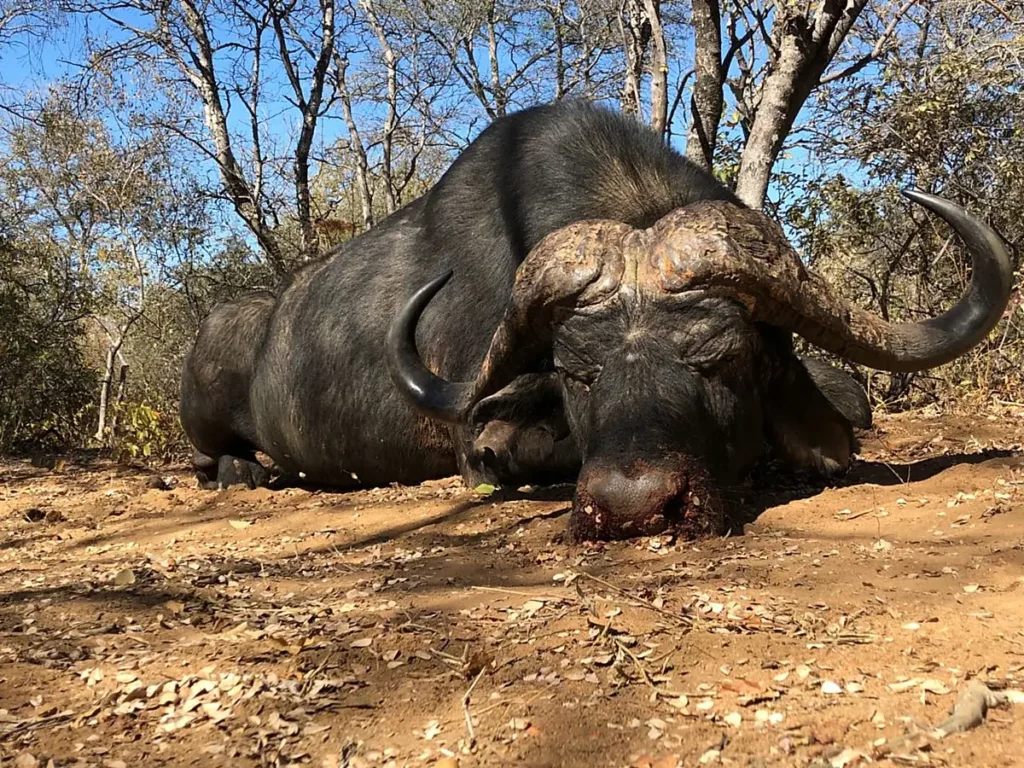
The Cape Buffalo is the animal that draws most hunters into this category of adventure. They are immensely powerful, cantankerous, and fully capable of ruining your day if things wind up going wrong. A buffalo hunt offers a different perspective from the moment you start following their large tracks through the dry bush. The electric atmosphere starts tighten into a tense ball in the pit of your stomach. Everyone in the group pays closer attention to any movement or the slightest sound.
Lion, Leopard, Elephant, and Hippo are also available in certain of our hunting blocks, but they come with stricter regulations, and fewer available opportunities. The Buffalo remains the most attainable dangerous game animal for the vast majority of visiting sportsmen.
Bow Hunting Safaris
Bow hunting in Africa has its own dedicated group of enthusiasts. Getting within solid archery range of animals that have been hunted by predators for generations is a real test of your skill, stealth and patience. Many of our Limpopo bush camps and lodges offer well-built blinds over water or feeding areas, which gives bow hunters a fair chance of collecting their trophy. Walk and stalk bow hunting is also available for highly experienced archers in the right terrain, although this provides a substantial challenge.
Wing Shooting
Some hunters come to experience the great wing shooting opportunities that are available. Highly exciting days of walk up Guinea Fowl and Francolin, while Sandgrouse, pigeons and Doves can be relaxing opportunity to break up a longer big game trip. We offer dedicated wing shooting hunts during the best times in season.
The Best Areas For Hunting Safaris
South Africa is the clear choice and the easiest place for most first time Safari goers in Africa. The roads are good, the airports are straightforward, and the range of game is unmatched. You can hunt everything from common plains game to Cape Buffalo without needing to travel to the most remote corners of the African continent. We have put together a detailed guide specifically on Hunting Safaris in South Africa if you want to dig deeper into areas, species, and available package options.
Zimbabwe still delivers some of the most exciting free range hunting left in Africa, especially for Buffalo, Leopard and Elephant. The hunting often feels more remote and less manicured than in South Africa. It is not the easiest destination to visit logistically, but the hunting options can be outstanding when you book with a good outfitter. You can read more in our guide on Hunting Safaris in Zimbabwe.
Namibia is another strong option, particularly for plains game and desert species. Botswana and Mozambique have excellent hunting in specific concessions, though quotas, prices and access are tougher.
What Does A Hunting Day Actually Look Like?
Most mornings start early, before sun rise. You are up in the dark, drinking coffee while the trackers get the cruiser ready and load the drinks for the day. The first few hours after first light are often the most productive. You will spend time glassing from high points, walk ridgelines, or follow fresh tracks depending on the area and the animals you are hunting.
The midday heat slows things down a bit. Many times you will return to camp for a proper lunch and a short siesta. Afternoons are spent back out until sun set. Some of the best opportunities of the week come in the last forty minutes of the day, “the golden hour”.
Camp life is a big part of the Safari hunting experience. Meals are usually hearty and filling. The conversation around the camp fire at night is one of the things people remember most. You will discuss the days hunting, the one that got away, and the plans for the next couple of days, all while sipping an ice cold beer. You may even be regaled with hair raising stories and close calls by your professional Hunter, before heading off to bed. Tomorrow you do it all again.
Understanding the Costs Of A Safari
Prices can look confusing at first glance because there are different ways packages are made up.
A solid seven day plains game safari in South Africa often lands at between $5,500 and $9,500 depending on the number of animals included and whether you will be hunting one on one with a PH or sharing the experience and opportunities. Cape Buffalo packages usually start in the $13,000 to $16,000 price range for a representative bull and a week of hunting. Bigger trophy bulls and additional game species will push the cost higher.
What is typically included:
- Accommodation and meals
- Soft drinks, beer, and wine
- Services of a licensed Professional Hunter and tracking team
- Field preparation of your trophies
- Road transfers from the nearest major airport
What is typically not included:
- International and regional flights
- Taxidermy and trophy shipping
- Hunting licenses (in some areas)
- Staff gratuities
Always get a written list of what is included and what is not. The difference between a very attractive price and a complete, inclusive price can be significant.
Choosing the Right Outfitter
Choosing a good outfitter matters more than almost anything else when making your booking. A good professional guide and a well run camp can turn an average area into a great hunt. The reverse is also true.
Asking a number of relevant questions about the hunting areas, expected trophy quality animals available, and how many other clients might be in camp at the same time, will help you make the right decision. Clear, straightforward answers are a positive sign that you will have a great experience. Vague marketing language is not.
Preparing Yourself for the Trip
The hunters who get the most out of their African safari are usually the ones who spent time in preparation. Start walking a couple of miles each day with a bit of weight in a pack if you can. A lot of the hunting involves covering ground on foot while tracking, sometimes through soft sand or over rocky terrain.
Shoot your rifle or bow regularly from field positions, off sticks, sitting, kneeling, and from awkward angles. The perfect broadside shot at a close distance may be the exception, not the rule during your trip.
Get your paperwork in order early. A valid passport, the necessary firearm import permits, and any visas that may be required can all take time to arrange. Travel insurance that includes emergency medical evacuation is one of the smartest things you may make.
What to Bring Along
Neutral colored clothing that you can layer is the way to go. In South Africa camo clothing can be an advantage, while Zimbabwe does not allow wearing camo. A good pair of boots you have already broken in will save you the pain of chaffing and blisters. A quality pair of binoculars will be an asset and used constantly. Most outfitters will send a suggested packing list once you make your booking, treat it as good advice. Extra space in the bag is better used for the things that you will actually need in the bush.
The Conservation Aspect
Legal, regulated hunting puts real money into anti-poaching units, habitat management, and rural communities. In many areas, the presence of hunting is the reason large blocks of land still hold healthy game populations instead of being converted to livestock over grazing or crops. When this is done under proper management quotas and fair chase practices, hunting creates a direct economic reason to keep the game and the land wild.
That does not mean that every operator is equally concerned about the game regulations and conservation. Choose people who take the responsibility seriously.
Mistakes That Show Up Again and Again when Hunting in Africa
Some patterns are repeated with first time safari hunters. Showing up with a rifle they have not practiced enough with. Booking purely based on the lowest price without checking with recent visitors. Being unclear with the outfitter about their physical condition or experience level. Expecting every day to produce a trophy. Those who avoid these mistakes usually have a better week and more enjoyable hunt.
Questions People Ask Most Often
How much should I expect to spend on a first safari?
A realistic budget for a good African plains game safari is usually $ 5 500 to $ 9 500 excluding international flights and tips.
When is the best time to go?
May through September is the prime window in most of southern Africa for big game hunting. The weather is dry, the days are comfortable, and animals are easier to locate due to less foliage on the bushes.
Can a complete beginner have a successful hunt?
Yes. Many first timers do very well when they’re honest about their experience and paired with a patient, capable Professional Hunter.
Is it better to bring my own rifle or use a camp gun?
If you shoot your own rifle well and can get together the paperwork for the import process, bring it along. If not, most reputable outfitters have accurate, well maintained rental options for use on your South African trophy hunting trip.
How long should I book for?
Seven to ten hunting days is the sweet spot for most African plains game trips. Dangerous game hunts are often similar in length but more focused on fewer trophies.
Closing Thoughts
A good Africa hunt is equal parts hunt and immersion in the African experience. You will spend long days in the bush, share camp with people who care about the same things you do, and come home with memories that last. The trophy animals matter, but they are only a small part of what makes the trip worthwhile.
If you are ready to start working through options, take a look at our detailed guides to Hunting Safaris in South Africa and Hunting Safaris in Zimbabwe. Or just reach out and tell us what kind of hunt you are interested in. We will help you figure out the details.

Adrian Anderson first obtained his Professional Hunters license in 1991. He is a Big Five and Dangerous Game licensed Professional Hunter and Hunting Outfitter. He has a tremendous love for wildlife and the African bush and enjoys sharing his knowledge with the hunting clients that he guides. Guiding hunters in Africa’s wild places is a passion and seeing them succeed with their goals brings satisfaction. With knowledge of the Safari industry built up over 35 years he is well qualified to give guidance to his hunting clients.